
Don't Let Pool Problems Catch You Off Guard
Choose us for pool inspection services in the Jackson, NJ area
You spend countless hours enjoying your pool each year—ensure it's safe and in top condition with a professional pool inspection from Universal Home Inspections. Our detailed evaluations identify potential issues early, helping you avoid costly repairs and keeping your pool ready for endless enjoyment.
Contact our expert pool inspectors today to schedule your inspection in the Jackson, NJ area!
What's included in our inspections?
Our pool inspectors will take the time to make sure every part of your pool is in prime condition. We'll check the:
- Structural condition
- Water quality
- Electrical system
- Pool equipment
We'll provide a detailed report on everything we find, from checking for cracks and leaks to ensuring the electrical system is safely grounded. Reach out to learn more about our pool inspections.
Professional Pool Inspections in Jackson Township, NJ
A swimming pool can be one of the most enjoyable features of a home, but it can also become a major source of unexpected repairs, maintenance costs, and safety concerns.
Universal Home Inspections provides professional residential pool inspections in Jackson Township and surrounding New Jersey communities. Whether you are buying a home with an existing pool or evaluating the condition of a pool you already own, a detailed inspection can help you better understand its visible structure, equipment, operation, and safety features.
Mike Makely brings more than 30 years of local contracting and inspection experience to every appointment. He carefully evaluates accessible pool components, explains important findings in understandable terms, and provides a detailed report documenting visible concerns.
A pool inspection is not simply about determining whether the water looks clean. It is an evaluation of the systems and components that help the pool operate safely and effectively.
Know More About the Pool Before You Buy the Home
A pool can significantly influence the value, enjoyment, and maintenance responsibilities associated with a property.
During a home showing, buyers may notice the pool’s size, shape, and appearance, but many important components are less obvious. Cracks, damaged surfaces, leaking equipment, unsafe wiring, worn pumps, improper drainage, damaged barriers, and aging filtration systems may not be immediately visible to an untrained buyer.
A professional pool inspection can help you:
- Better understand the visible condition of the pool
- Identify damaged or deteriorated components
- Recognize potential safety concerns
- Evaluate accessible pool equipment
- Prepare for possible repairs or maintenance
- Ask better questions before closing
- Determine whether specialized evaluation is recommended
Reduce the likelihood of unexpected post-purchase surprises
The inspection does not determine whether you should purchase the property. It provides objective information that can help you make a more informed decision.
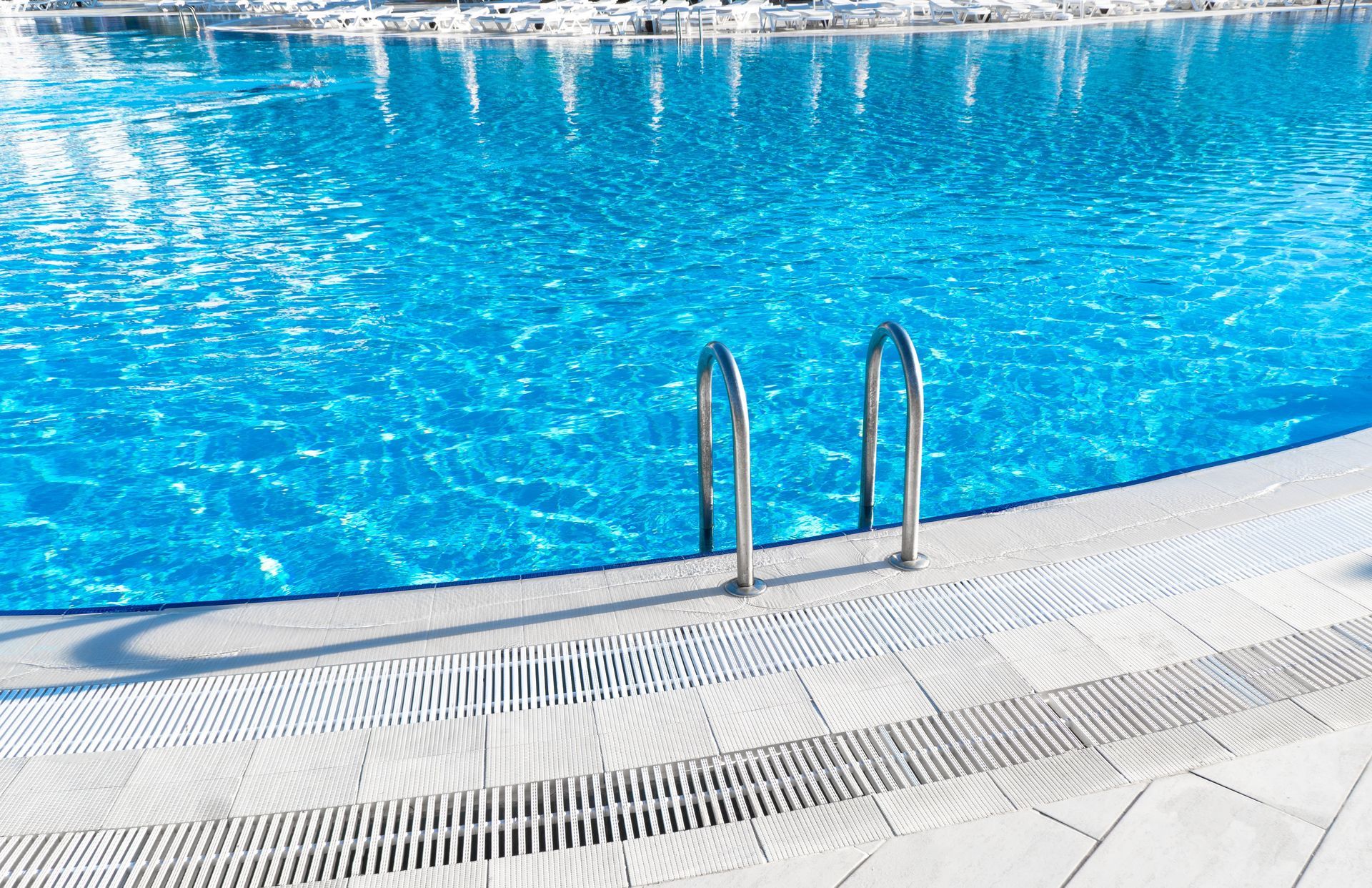
What Is Included in a Pool Inspection?
Every pool is different. The inspection depends on the pool’s design, age, condition, accessibility, equipment, operating status, and whether seasonal conditions allow components to be evaluated.
Universal Home Inspections examines the visible and accessible parts of the pool and its related systems.
Pool Structure and Interior Surface
The visible condition of the pool structure is an important part of the inspection.
Depending on the pool type and accessibility, the inspection may include observations of:
- Pool walls
- Pool floor
- Interior finish
- Plaster
- Vinyl liner
- Fiberglass surfaces
- Tile
- Coping
- Visible cracks
- Staining
- Surface deterioration
- Signs of movement
- Damaged or missing materials
Cracks and surface defects can vary significantly in importance. Some may be cosmetic, while others may indicate leakage, deterioration, or structural movement.
Mike documents visible concerns and explains when additional evaluation by a pool contractor or other qualified specialist may be appropriate.
Pool Decking and Surrounding Areas
The area around the pool affects safety, drainage, accessibility, and long-term performance.
The inspection may include:
- Concrete decking
- Pavers
- Stone surfaces
- Expansion joints
- Visible cracking
- Settlement
- Uneven walking surfaces
- Drainage around the pool
- Trip hazards
- Loose or damaged materials
- Separation between the deck and coping
Improper drainage can direct water toward the pool, equipment, house, or surrounding structures. Damaged decking may also create tripping hazards or contribute to deterioration.
Pool Pump
The pump circulates water through the filtration and treatment system.
When the pool is operational and conditions permit, the pump may be evaluated for:
- General operation
- Unusual sounds
- Visible leakage
- Corrosion
- Mounting
- Accessible electrical connections
- Signs of damage
- Water circulation
- Condition of visible components
- Equipment age when identifiable
A malfunctioning or deteriorated pump can affect water circulation, filtration, sanitation, and overall pool operation.
Filtration System
The filter removes debris and contaminants from circulating pool water.
Pool filtration systems may include:
- Cartridge filters
- Sand filters
- Diatomaceous earth filters
- Filter housings
- Pressure gauges
- Valves
- Accessible connections
- Drainage components
- Visible piping
- The inspection looks for visible leakage, damaged components, improper conditions, or signs that the system may require servicing.
A home inspection does not replace professional pool maintenance or internal equipment disassembly.
Pool Heater
When a pool heater is present, accessible components may be visually inspected and operated under normal controls when conditions permit.
The inspection may include:
- General equipment condition
- Visible corrosion
- Fuel connections
- Accessible venting
- Water connections
- Electrical components
- Signs of leakage
- Operating response
- Visible damage
Pool heaters can involve electrical, gas, plumbing, ventilation, and combustion-related concerns. When a defect or unsafe condition is observed, further evaluation by a qualified pool or HVAC contractor may be recommended.
Visible Plumbing and Valves
Pool plumbing carries water between the pool, pump, filter, heater, and other installed equipment.
Accessible components may be checked for:
- Visible leakage
- Cracked piping
- Corrosion
- Improper supports
- Damaged fittings
- Valve operation
- Signs of previous repairs
- Equipment connections
- Drainage concerns
Some pool plumbing is concealed underground and cannot be evaluated during a visual inspection.
Skimmers, Returns, and Circulation Components
The pool’s circulation system helps draw water into the filtration system and return treated water to the pool.
Visible components may include:
- Skimmers
- Return fittings
- Main drain covers
- Jets
- Accessible suction components
- Water movement
- Visible damage
- Missing covers
- Debris accumulation
Damaged or missing circulation components can affect pool performance and may create safety concerns.
Electrical Components
Water and electricity require careful separation and appropriate safety protection.
The inspection may include visible and accessible observations of:
- Pool equipment wiring
- Disconnects
- Electrical panels
- Receptacles
- Ground-fault circuit interrupter protection
- Bonding components
- Lighting
- Junction boxes
- Visible conduit
- Damaged electrical components
- Improperly installed wiring
The inspection is not a substitute for a full electrical code evaluation. When electrical defects or questionable conditions are observed, evaluation by a licensed electrician may be recommended.
Pool Lighting
Underwater and surrounding pool lights may be operated using normal controls when conditions allow.
The inspection may consider:
- General operation
- Visible damage
- Loose fixtures
- Water inside accessible fixtures
- Switches
- GFCI protection
- Exposed or damaged wiring
- Nearby landscape lighting
Nonfunctioning or damaged lighting should be evaluated because pool lighting combines electrical equipment with wet conditions.
Ladders, Steps, Handrails, and Access Points
Pool access components help swimmers safely enter and exit the water.
The inspection may include:
- Ladders
- Handrails
- Built-in steps
- Entry points
- Mounting
- Loose components
- Corrosion
- Sharp edges
- Damaged materials
- Slip hazards
Loose or damaged access components can create avoidable safety risks.
Fences, Gates, and Safety Barriers
Pool barriers are among the most important safety components around a residential swimming pool.
Visible safety features may include:
- Perimeter fencing
- Gate condition
- Gate latching
- Gate closing
- Fence openings
- Barrier height observations
- Access from the home
- Door alarms when present
- Pool covers
- Visible barrier damage
Safety requirements can vary by municipality, property type, installation date, and applicable regulations. A pool inspection does not replace verification with the local building department or other authority having jurisdiction.
Pool Covers
When present and accessible, pool covers may be visually evaluated for:
- General condition
- Tears
- Deterioration
- Missing hardware
- Damaged tracks
- Improper fit
- Standing water
- Visible safety concerns
Different covers provide different levels of protection. A basic cover may help control debris but should not automatically be considered a safety cover.
Diving Boards, Slides, and Accessories
Installed accessories may be visually inspected for obvious defects or unsafe conditions.
These may include:
- Diving boards
- Diving platforms
- Slides
- Anchors
- Handrails
- Poolside fixtures
- Basketball equipment
- Decorative water features
- Automatic cleaning equipment
The inspection does not certify that accessories comply with all current codes or manufacturer requirements. Damaged or questionable equipment may require specialized evaluation.
Spas and Attached Hot Tubs
When a property includes an attached spa or hot tub, accessible components may be evaluated as part of the pool inspection or as an additional service.
The inspection may include:
- Visible shell condition
- Jets
- Water circulation
- Controls
- Heater operation
- Covers
- Accessible plumbing
- Electrical components
- Safety barriers
- Visible leakage
Confirm the scope of spa or hot tub evaluation when scheduling.
Pool Safety Is a Major Part of the Inspection
A pool inspection is not limited to mechanical performance. Safety is an essential part of evaluating the property.
Potential safety concerns may include:
- Missing or damaged barriers
- Gates that do not close or latch properly
- Loose handrails
- Damaged ladders
- Exposed electrical components
- Missing drain covers
- Uneven decking
- Sharp or broken surfaces
- Improperly stored chemicals
- Inadequate access protection
- Damaged diving equipment
- Missing GFCI protection
- Poor visibility around steps or edges
A pool cannot be made completely risk-free through an inspection. However, identifying visible safety concerns gives homeowners and buyers an opportunity to address them.
Water Quality and Pool Condition
The appearance of the water can provide information about the pool’s condition, but clear water does not guarantee that every system is functioning properly.
Depending on the agreed inspection scope, observations may include:
- Water clarity
- Visible algae
- Staining
- Debris
- Water level
- Surface conditions
- Circulation
- Visible chemical damage
- Scaling
- Corrosion
A pool inspection does not necessarily include laboratory water testing or a complete chemical analysis unless specifically arranged.
Buyers should ask whether water testing is included and whether a qualified pool service company should perform chemical analysis before use.
Common Problems Found During Pool Inspections
Swimming pools contain many systems that are exposed to water, chemicals, sunlight, weather, pressure, and regular use.
Common inspection findings may include:
- Cracked or deteriorated pool surfaces
- Damaged vinyl liners
- Loose or missing tile
- Deteriorated coping
- Uneven or cracked decking
- Visible water leakage
- Pump leakage
- Noisy or malfunctioning pumps
- Damaged filters
- Broken pressure gauges
- Corroded equipment
- Aging pool heaters
- Damaged plumbing
- Improper electrical wiring
- Missing GFCI protection
- Nonfunctioning lighting
- Loose ladders or handrails
- Damaged safety barriers
- Gates that do not self-close
- Missing or damaged drain covers
- Worn or damaged pool covers
- Improper drainage
- Signs of deferred maintenance
Not every finding means the pool requires complete replacement. Some concerns may require routine service, while others may involve significant repair or specialist evaluation.
Pool Inspections for Home Buyers
When purchasing a home with a pool, the inspection should be coordinated with the overall home inspection whenever possible.
This provides a broader view of how the pool relates to the rest of the property.
For example, Mike may consider:
- Whether pool drainage affects the house
- The location of equipment in relation to the structure
- Electrical service serving the pool
- Decking adjacent to patios or foundations
- Fencing and access from the home
- Visible leaks near landscaping or structures
- Retaining walls around the pool area
- Grading and water movement
- Accessory structures such as pool houses
A home inspection and pool inspection serve different purposes, but combining them can provide a more complete understanding of the property.
Inspections for In-Ground Pools
In-ground pools often contain more extensive equipment and permanent structural components than portable or above-ground pools.
The inspection may evaluate visible portions of:
- Concrete, gunite, fiberglass, or vinyl-lined pool construction
- Interior finishes
- Coping
- Tile
- Decking
- Pumps
- Filters
- Heaters
- Plumbing
- Electrical systems
- Drainage
- Safety barriers
- Built-in steps
- Lighting
- Attached spas
Because much of the pool structure and plumbing may be underground, not every defect can be identified through a visual inspection.
Above-Ground Pool Inspections
Above-ground pools have different structural and safety considerations.
The inspection may include visible observations of:
- Pool walls
- Supports
- Framing
- Liner
- Deck connections
- Stairs and ladders
- Pumps
- Filters
- Plumbing
- Electrical components
- Ground conditions
- Barriers and gates
- Signs of rust or movement
Corrosion, uneven settlement, damaged supports, and improper deck attachment can be particularly important concerns with above-ground pools.
Seasonal Pool Inspection Limitations
New Jersey pools are often closed during the fall and winter. A winterized or covered pool may limit the inspection.
When a pool is closed, Mike may be unable to fully evaluate:
- Pump operation
- Filter operation
- Heater operation
- Water circulation
- Underwater lighting
- Plumbing performance
- Active leakage
- Water chemistry
- Interior surfaces beneath the water
- Automatic cleaning equipment
- Certain valves or controls
The pool may still be visually inspected to the extent possible, but buyers should understand that seasonal conditions can affect the completeness of the evaluation. In some cases, a follow-up inspection or specialized pool opening evaluation may be recommended when weather conditions permit.
What a Pool Inspection Does Not Include
A residential pool inspection is primarily visual and non-invasive. It does not guarantee future performance or reveal every concealed condition.
Unless specifically included, the inspection may not involve:
- Pressure testing underground plumbing
- Leak detection using specialized equipment
- Destructive testing
- Removal of pool covers
- Opening a winterized pool
- Disassembly of pumps, filters, or heaters
- Laboratory water analysis
- Internal pipe inspection
- Verification of permits
- Full code compliance inspection
- Measurement of every pool dimension
- Engineering analysis
- Certification of diving depths
- Remaining service-life guarantees
- Verification of manufacturer warranties
When visible conditions suggest a concealed leak, structural concern, or equipment failure, additional evaluation by a qualified pool contractor may be recommended.
Should You Attend the Pool Inspection?
Buyers are encouraged to attend whenever possible.
Being present allows you to:
- See the pool equipment
- Learn how accessible components operate
- Ask questions
- Understand visible concerns
- Locate shutoffs and controls
- Discuss maintenance considerations
- Review important safety features
- Become more familiar with the property
Mike explains the inspection findings in understandable language and helps distinguish routine maintenance from conditions that may require prompt attention.
Detailed Pool Inspection Reports
After the inspection, you receive a written report documenting visible conditions and concerns.
The report may include:
- Written descriptions
- Photographs
- Safety observations
- Equipment concerns
- Structural observations
- Maintenance recommendations
- Suggestions for further evaluation
- Components that could not be inspected
- Limitations caused by weather or accessibility
The report can be reviewed with your real estate agent, attorney, pool contractor, electrician, or other appropriate professional.
Universal Home Inspections does not determine which repairs should be requested from the seller. The report provides information you can use with your advisors during the transaction.
Why Choose Universal Home Inspections?
More Than 30 Years of Local Experience
Mike Makely brings decades of local contracting and inspection experience to every property. This background helps him evaluate visible pool conditions and explain how those findings may affect the homeowner.
Thorough, Patient Inspections
Pool systems can be complicated. Mike takes the time to evaluate accessible components carefully rather than rushing through a basic checklist.
Clear Explanations
You receive understandable information about visible defects, maintenance concerns, safety issues, and possible next steps.
Detailed Documentation
The written report gives you a reference that can be reviewed after the inspection and shared with the professionals assisting you.
Home and Pool Inspection Coordination
When a pool inspection is completed with a buyer’s home inspection, Universal Home Inspections can provide a more complete view of the property and its major systems.
Local Knowledge
Universal Home Inspections serves Jackson Township and surrounding areas of Ocean and Monmouth counties. Local experience provides familiarity with New Jersey weather conditions, seasonal pool closures, drainage issues, older equipment, and the variety of pool systems found throughout the region.
Frequently Asked Questions About Pool Inspections
Do I need a pool inspection if I am already getting a home inspection?
Yes. A standard home inspection may not include a detailed evaluation of the pool and its equipment. Pool inspections should be specifically requested when scheduling.
How long does a pool inspection take?
The time required depends on the pool’s size, design, condition, installed equipment, accessibility, and whether it is operational. More complex pool and spa systems may require additional time.
Can the pool be inspected during winter?
A closed or winterized pool can be inspected only to the extent that components are visible and accessible. Operating systems generally cannot be fully tested until the pool is opened.
Does a pool inspection include leak detection?
A visual inspection may identify signs associated with leakage, but it does not typically include specialized underground leak detection or pressure testing.
Will you inspect the pool heater?
Accessible heaters may be visually inspected and operated under normal controls when conditions permit. Internal components are not dismantled.
Is the water tested?
Basic water observations may be made, but full chemical or laboratory testing is not automatically included. Confirm available testing when scheduling.
Do you inspect saltwater pools?
Yes. Many inspection principles apply to both traditional chlorine and saltwater pools. Accessible salt-generation equipment may be observed as part of the installed system.
Do you inspect pool fences and gates?
Visible barriers, gates, and latching conditions may be evaluated for apparent safety concerns. The inspection is not a substitute for municipal code verification.
Can you tell how old the pool equipment is?
Manufacturing information may sometimes be available on equipment labels. Exact age cannot always be determined, especially when labels are missing, faded, or inaccessible.
Does the inspection tell me how much repairs will cost?
The inspection identifies visible conditions but does not generally provide contractor repair estimates. A qualified pool contractor can provide pricing after evaluating the specific concern.
Does every crack mean the pool is leaking?
No. Pool cracks vary in type and significance. Some may involve surface materials, while others may require additional evaluation for structural movement or leakage.
Are diving boards and slides inspected?
Installed accessories may be visually inspected for obvious defects. Their presence does not mean they meet all current safety, depth, or manufacturer requirements.
Will the pool pass or fail?
No. A pool inspection is not a pass-or-fail test. It documents visible conditions so you can better understand the system.
Can a pool inspection find underground plumbing problems?
Underground piping is concealed and generally cannot be directly observed. Specialized pressure testing or leak detection may be needed when a hidden problem is suspected.
Should I have a pool contractor inspect the system too?
Additional specialist evaluation may be appropriate for significant defects, concealed leakage, structural concerns, complex automation systems, or equipment that cannot be operated.
Does the inspection include an attached spa?
An attached spa may be inspected when included in the service agreement and accessible. Confirm the scope when scheduling.
What information do I need when scheduling?
Be prepared to provide the property address, pool type, whether the pool is open, whether it is heated, whether a spa is present, and your inspection deadline.
Pool Inspection Service Areas
Universal Home Inspections provides residential pool inspection services in Jackson Township and surrounding New Jersey communities.
Service areas may include:
- Jackson Township
- Howell
- Lakewood
- Freehold
- Millstone Township
- Plumsted Township
- New Egypt
- Manchester Township
- Toms River
- Brick Township
- Wall Township
- Farmingdale
- Cream Ridge
- Allentown
- Other nearby communities in Ocean and Monmouth counties
Contact Universal Home Inspections to confirm availability for your property address.
Schedule a Pool Inspection in Jackson Township, NJ
Do not let an attractive pool hide expensive repairs, aging equipment, or avoidable safety concerns.
Universal Home Inspections provides detailed residential pool inspections for home buyers and property owners in Jackson Township and surrounding New Jersey communities.
Call (732) 535-1095 or complete the online contact form to schedule your pool inspection..
What Our Clients Are Saying
★★★★★
Mike was awesome. He explained things very clearly and he answered all our questions. Report was clear and concise.
-jennifer canete
★★★★★
Pre-purchase home inspection. Very thorough! Great information!
-Michael McHugh
★★★★★
Excellent service , if you are in market for new house this is the company to use , very detailed and fair
-Gani Duraku
Get a Full Home Inspection
We will get back to you as soon as possible.
Please try again later.