
Buyer Inspections
Get a Home Inspection in Jackson Township, NJ Before You Close The Deal
Before sealing the deal on a new home, make sure you get the property inspected. You can rely on my expertise for the home inspection in Jackson Township, NJ, that you need. I also service the surrounding areas. I’ve offered home inspections across Jackson Township for more than 30 years. I can guarantee that my clients have always had a positive experience, whenever I take on the responsibility of inspecting their new purchase.
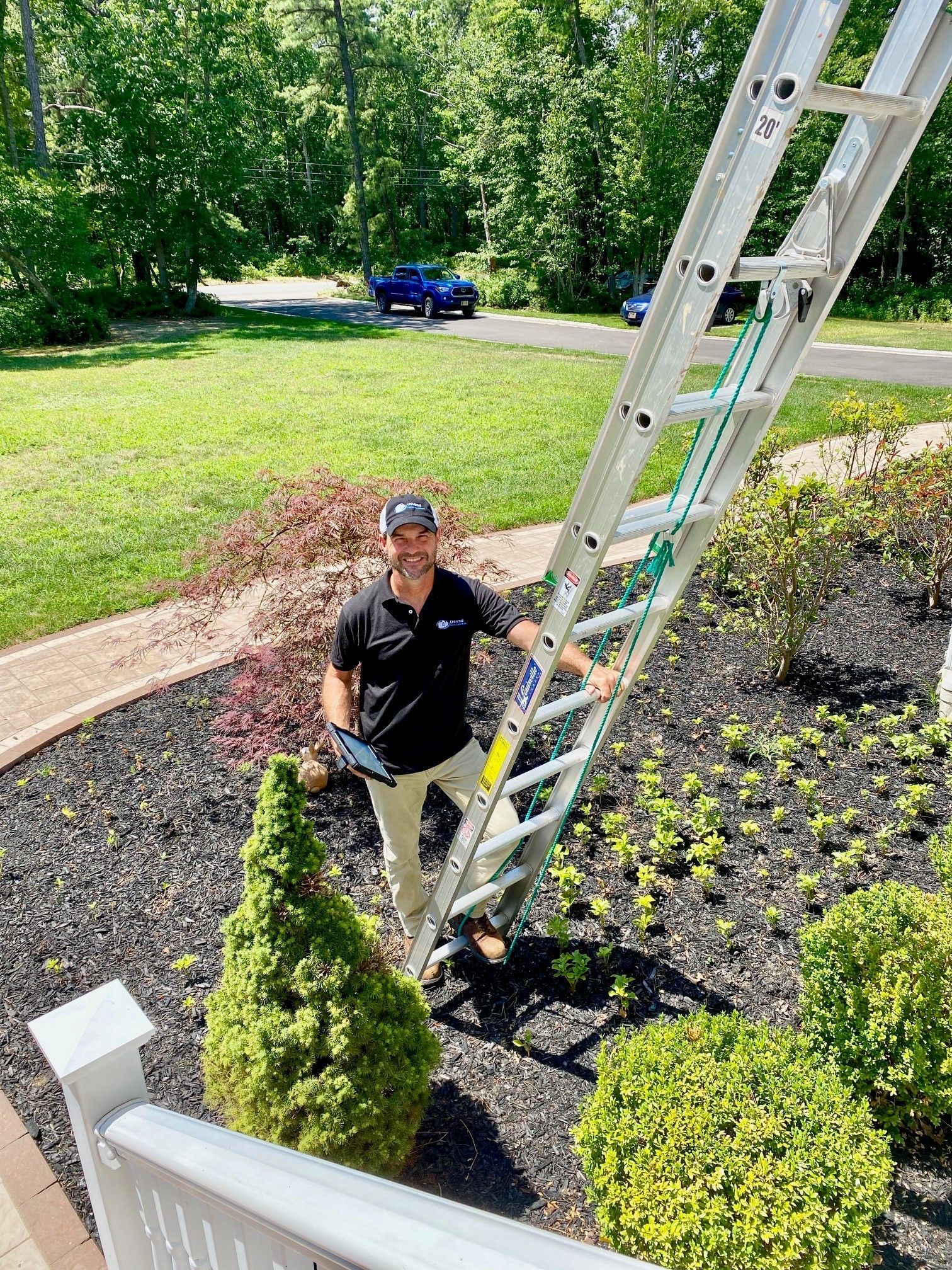
Be Certain that Your Home is Safe
Don’t allow an unpleasant surprise to sneak up on you. As your local inspector, I will perform a comprehensive property inspection to identify any problems. I compile a full report for my clients. I can check your:
- Appliances: Many home sellers and buyers underestimate the importance of functioning appliances in a property.
- Roof: As your trusted roof inspector I will search for all possible signs of leaking, wear, tear, and more.
- HVAC system: Make sure your HVAC system’s parts are all clean and functioning.
- Windows and Doors: Before purchasing a home, are you certain that all windows and doors were installed properly?
- Electrical: Get a comprehensive review of all electrical components in the home, including the wiring.
- Plumbing: Make sure the property’s filtration system works properly.
- Foundation: You can live in a home that doesn’t have a solid foundation.
- And more
Leave Your Property Inspection in the Right Hands
The home inspections I perform are ideal for both buyers and sellers. Save yourself time, money, and stress with my home inspection service. If you need a buyers inspection or a sellers inspection in Jackson Township, NJ, I’m your guy!
Home Buyer Inspections in Jackson Township, NJ
Buying a home is one of the largest financial decisions you will ever make. A professional home inspection helps you better understand the condition of the property before you finalize the purchase.
Universal Home Inspections provides detailed home buyer inspections in Jackson Township and surrounding areas of Ocean and Monmouth counties. Mike Makely brings more than 30 years of local contracting and inspection experience to every property. He carefully evaluates the home’s accessible systems and components, explains his findings in understandable terms, and provides a detailed inspection report that can help you make a more informed decision.
Whether you are purchasing your first home, moving into a larger property, downsizing, or investing in real estate, your inspection should give you more than a basic checklist. It should provide clarity about the home, the conditions that may require attention, and the questions you may need to ask before closing.

A Thorough Inspection Before You Close
A home may look beautiful during a showing while still containing defects that are difficult for an untrained buyer to recognize. Water intrusion, aging electrical components, improper repairs, roof deterioration, ventilation problems, plumbing leaks, structural movement, and malfunctioning safety devices may not be immediately obvious.
During a buyer inspection, Universal Home Inspections evaluates the visible and accessible areas of the property to identify material defects, safety concerns, signs of damage, and components that may need additional evaluation.
The purpose is not to pass or fail the house. The goal is to help you understand its current condition so you can proceed with greater confidence.
Your inspection may help you:
- Identify significant defects before closing
- Understand the condition of major home systems
- Recognize potential safety concerns
- Prepare for future maintenance or replacement expenses
- Ask better questions during the real estate transaction
- Determine whether specialized evaluations are recommended
- Learn how important systems and components operate
- Reduce the risk of unexpected surprises after move-in
What Is Included in a Home Buyer Inspection?
Every property is different. The inspection is based on the home’s design, age, condition, accessibility, installed systems, and visible components at the time of service.
A typical home buyer inspection includes an evaluation of the following areas.
Roofing System
The roof is one of the home’s most important protective systems. When safely accessible and visible, Mike evaluates the roofing materials and related components for signs of deterioration, damage, improper installation, or potential water entry.
The inspection may include:
- Visible roofing materials
- Flashing
- Roof penetrations
- Chimneys
- Skylights
- Gutters and downspouts
- Roof drainage
- Visible signs of leakage
- Roofline irregularities
- Accessible attic conditions
The inspection report will document visible concerns and may recommend repair or further evaluation when necessary.
Exterior Components
Exterior conditions can affect water management, energy efficiency, structural performance, and long-term maintenance.
The exterior inspection may include:
- Siding and exterior wall coverings
- Trim and fascia
- Doors and windows
- Exterior penetrations
- Porches, decks, steps, and railings
- Walkways and driveways
- Grading and drainage
- Retaining walls
- Visible foundation areas
- Vegetation affecting the structure
Proper drainage is especially important because water directed toward the house can contribute to moisture intrusion, foundation concerns, and basement or crawlspace problems.
Foundation and Structural Components
Visible structural components are inspected for conditions that may indicate movement, deterioration, damage, or improper modification.
Depending on the home, the inspection may include:
- Visible foundation walls
- Structural framing
- Floor structures
- Support columns
- Beams
- Basement areas
- Crawlspaces
- Attic framing
- Visible cracks or movement
- Signs of moisture-related deterioration
Not every crack indicates a serious structural problem. Mike explains what was observed and whether additional evaluation by a qualified specialist may be appropriate.
Electrical System
Electrical defects can create shock, fire, and reliability concerns. The inspection includes visible and accessible portions of the home’s electrical system.
Components may include:
- Main electrical service
- Electrical panels
- Visible wiring
- Breakers or fuses
- Accessible receptacles
- Ground-fault circuit interrupter protection
- Arc-fault protection where applicable
- Switches
- Lighting fixtures
- Bonding and grounding observations
- Smoke and carbon monoxide alarms
The inspection is intended to identify visible safety concerns, improper conditions, damaged components, and areas that may warrant evaluation by a licensed electrician.
Plumbing System
Plumbing problems can lead to property damage, high utility costs, mold-conducive conditions, and expensive repairs.
The plumbing inspection may cover:
- Visible supply piping
- Drain and waste piping
- Faucets and fixtures
- Toilets
- Sinks
- Tubs and showers
- Water pressure observations
- Visible leaks
- Water heater
- Drainage performance
- Accessible shutoff locations
Signs of active leakage, corrosion, improper drainage, aging materials, or water damage will be documented in the report.
Heating and Cooling Systems
A comfortable home depends on heating and cooling equipment that operates safely and effectively. The inspection includes a visual evaluation and normal operational testing when conditions permit.
The inspection may include:
- Heating equipment
- Air-conditioning equipment
- Thermostats
- Visible ductwork
- Air filters
- Accessible distribution components
- Condensate drainage
- Signs of damage or improper installation
- General operating condition
A home inspection is not the same as specialized HVAC servicing. When equipment shows signs of malfunction, significant age, damage, or improper operation, further evaluation by an HVAC contractor may be recommended.
Attic, Insulation, and Ventilation
Attic conditions can reveal valuable information about roof leakage, ventilation, insulation, structural framing, and moisture.
Accessible attic areas may be checked for:
- Visible roof sheathing
- Framing conditions
- Insulation
- Ventilation
- Moisture staining
- Evidence of leakage
- Exhaust vent termination
- Visible microbial-like growth
- Pest-related damage
- Unsafe electrical conditions
Proper ventilation and insulation can affect energy efficiency, indoor comfort, moisture control, and roof longevity.
Interior Rooms and Installed Components
The inspection includes representative testing and evaluation of visible interior components.
These may include:
- Walls and ceilings
- Floors
- Interior doors
- Windows
- Stairways
- Handrails and guardrails
- Accessible receptacles and switches
- Permanently installed cabinets
- Countertops
- Visible signs of moisture
- General room conditions
Cosmetic imperfections are not typically the primary focus. Greater attention is given to conditions involving function, safety, damage, or potential deterioration.
Kitchens and Bathrooms
Kitchens and bathrooms contain multiple plumbing, electrical, ventilation, and safety components in relatively small areas.
The inspection may include:
- Sinks and faucets
- Drainage
- Toilets
- Tubs and showers
- Installed ventilation
- Accessible receptacles
- GFCI protection
- Permanently installed appliances
- Cabinets and countertops
- Visible signs of leakage
- Water damage around fixtures
These rooms are carefully reviewed because even a small plumbing leak can cause concealed damage over time.
Built-In Appliances
Permanently installed kitchen appliances may be operated using normal controls when conditions permit.
This may include:
- Dishwasher
- Range or cooktop
- Oven
- Built-in microwave
- Garbage disposal
- Ventilation equipment
The inspection checks general operation at the time of service. It is not a guarantee of future appliance performance or remaining service life.
Garage and Safety Components
Attached garages require special attention because they may contain fire-separation, electrical, structural, and vehicle-related safety concerns.
The inspection may include:
- Garage doors
- Automatic openers
- Safety-reverse features
- Visible fire-separation components
- Steps and landings
- Electrical components
- Garage structure
- Doors between the garage and living space
Visible safety concerns will be clearly documented and explained.
More Than a Checklist
A home inspection should not feel rushed or confusing. Mike takes the time to evaluate the property carefully and explain important observations.
Clients are encouraged to attend the inspection whenever possible. Being present gives you an opportunity to become more familiar with the home and ask questions about the systems, maintenance needs, and conditions being observed.
During the inspection, Mike can help you understand:
- Where important shutoffs may be located
- How certain home systems operate
- Which findings may require prompt attention
- Which items may be routine maintenance
- When additional professional evaluation is recommended
- What concerns should be discussed with your real estate professional
- Which systems may be approaching the end of their expected service life
This educational approach is especially valuable for first-time home buyers who may be unfamiliar with home construction, maintenance, and repair priorities.
Clear, Detailed Home Inspection Reports
After the inspection, you receive a written report documenting the visible conditions found at the property.
The report is designed to help you understand the inspection rather than overwhelm you with technical language. Findings may include written explanations, photographs, recommendations, and information about components that should be repaired, monitored, maintained, or evaluated further.
Your report may help you discuss the property with:
- Your real estate agent
- The seller
- An attorney
- A contractor
- An electrician
- A plumber
- An HVAC professional
- A structural engineer
- Another appropriate specialist
Universal Home Inspections does not decide whether you should purchase the home or determine what repairs should be negotiated. Instead, Mike provides objective information that you and your professional advisors can use during the transaction.
Home Inspections for First-Time Buyers
First-time buyers often have more questions about the inspection process, and that is completely normal.
A home contains many interconnected systems. The roof protects the structure, drainage moves water away from the foundation, ventilation helps control moisture, electrical components provide power, and plumbing systems supply and remove water. A problem in one area can sometimes affect several others.
Mike takes the time to explain the property in understandable terms without unnecessarily alarming the buyer. You will learn which findings are significant, which may be common for the home’s age, and which may simply require normal maintenance.
The goal is for you to leave the inspection with a clearer understanding of the home and the responsibilities that may come with owning it.
Inspections for Older Homes
Jackson Township and surrounding New Jersey communities include properties built during many different construction periods. Older homes can offer craftsmanship, established neighborhoods, larger lots, and distinctive architectural details, but they may also contain aging or modified systems.
An older-home inspection may identify:
- Aging electrical panels or wiring
- Older plumbing materials
- Previous renovations
- Improper repairs
- Insufficient ventilation
- Deteriorated roofing materials
- Moisture intrusion
- Foundation movement
- Aging heating and cooling systems
- Missing modern safety protections
- Damaged exterior materials
- Deferred maintenance
An older component is not automatically defective. Its condition, installation, function, safety, and remaining useful life all need to be considered.
New Construction Home Inspections
A newly built home can still benefit from an independent inspection. New construction may contain incomplete work, damaged materials, improper installations, missing components, or defects that were not identified during the building process.
A new construction inspection may help identify concerns involving:
- Roofing and flashing
- Attic insulation
- Exterior drainage
- Electrical components
- Plumbing fixtures
- Heating and cooling systems
- Windows and doors
- Interior finishes
- Safety devices
- Installed appliances
- Final construction details
Having the home independently inspected before closing gives you an opportunity to document visible concerns while the builder may still be in a position to address them.
Condo and Townhouse Inspections
Condominiums and townhomes have many of the same interior systems as detached homes, but responsibility for exterior and shared components may vary.
Your inspection may focus on:
- Interior electrical components
- Plumbing fixtures and visible piping
- Heating and cooling equipment
- Windows and doors
- Interior walls, floors, and ceilings
- Attic or crawlspace areas when accessible
- Permanently installed appliances
- Visible signs of moisture
- Components assigned to the unit owner
Buyers should also review association documents to determine which systems and exterior components are maintained by the homeowner and which are the responsibility of the association.
Why Choose Universal Home Inspections?
More Than 30 Years of Local Experience
Mike Makely brings decades of contracting and inspection knowledge to every appointment. This experience helps him recognize visible defects, understand how home systems interact, and explain findings in practical language
Thorough, Unhurried Service
A buyer inspection is too important to rush. Mike takes the time necessary to evaluate accessible areas, answer questions, and provide buyers with a clearer understanding of the property.
Clear Explanations
Home inspection terminology can be confusing. Mike explains concerns in straightforward terms so buyers understand what was found and what the next step may be.
Detailed Reporting
Your inspection report provides a written reference that can be reviewed after the appointment and shared with the professionals assisting with your transaction.
Independent Information
The inspection is focused on the visible condition of the home. The goal is to provide objective information that helps you make your own informed decision.
Local Knowledge
Universal Home Inspections serves buyers throughout Jackson Township and nearby communities in Ocean and Monmouth counties. Local experience provides valuable familiarity with area housing styles, construction periods, weather exposure, drainage concerns, and commonly encountered property conditions.
Common Problems Found During Buyer Inspections
Every home has its own history and condition, but some concerns are found more frequently than others.
Common inspection findings may include:
- Roof deterioration or damaged shingles
- Improper flashing
- Clogged or damaged gutters
- Poor drainage around the foundation
- Basement or crawlspace moisture
- Plumbing leaks
- Corroded piping
- Electrical safety concerns
- Missing GFCI protection
- Improperly installed wiring
- Damaged receptacles
- Heating or cooling equipment concerns
- Insufficient attic insulation
- Improper bathroom or kitchen ventilation
- Loose railings
- Deck deterioration
- Window or door damage
- Missing smoke or carbon monoxide alarms
- Water heater concerns
- Evidence of prior repairs
- Deferred maintenance
Many homes contain a combination of minor maintenance items and more important defects. The inspection helps separate ordinary upkeep from concerns that deserve closer attention.
What a Home Inspection Does Not Cover
A home inspection is a visual evaluation of accessible systems and components. It cannot reveal every possible defect, particularly conditions that are concealed behind walls, beneath flooring, underground, or inside equipment.
Inspectors generally do not dismantle equipment, move furniture, remove finished surfaces, or perform destructive testing.
Certain services may require separate testing or specialized professionals, including:
- Radon testing
- Wood-destroying insect inspections
- Mold testing
- Sewer scope inspections
- Septic evaluations
- Well-water testing
- Underground oil tank searches
- Chimney evaluations
- Pool inspections
- Structural engineering
- Environmental testing
- Specialized HVAC or electrical diagnostics
Ask which additional inspection or testing services are available or recommended for the property you are purchasing.

When Should You Schedule the Inspection?
The inspection should typically be scheduled as soon as possible after your offer is accepted and within the inspection period established by your contract.
Scheduling early gives you more time to:
- Attend the inspection
- Review the completed report
- Request contractor estimates
- Obtain specialized evaluations
- Consult your attorney or real estate agent
- Complete additional testing
- Make decisions before contractual deadlines
Real estate timelines can move quickly, so contact Universal Home Inspections as soon as you know the property address and inspection deadline.
How to Prepare for Your Buyer Inspection
To help the inspection proceed smoothly, buyers should confirm that the property is accessible and that utilities are active.
Before the appointment, confirm that:
- Electricity is turned on
- Water service is active
- Heating fuel is available when applicable
- The electrical panel is accessible
- The attic access is not blocked
- The water heater and HVAC equipment are accessible
- Crawlspace entrances are accessible
- The seller has provided access to garages and outbuildings
- Pets are safely secured
- Your real estate professional is aware of the appointment
You should also bring any questions you have about the property. These may involve renovations, visible stains, unusual noises, prior repairs, additions, or systems you do not understand.
Frequently Asked Questions About Home Buyer Inspections
How long does a home inspection take?
The time required depends on the home’s size, age, condition, design, accessibility, and number of installed systems. A detailed inspection may take several hours. Larger, older, or more complex homes often require additional time.
Should I attend the inspection?
Yes. Buyers are encouraged to attend whenever possible. Being present allows you to see important conditions, ask questions, and become more familiar with the property.
Can I ask questions during the inspection?
Absolutely. Mike welcomes questions and takes the time to explain important findings. Some questions may be answered while inspecting the property, while others may be discussed during a review of the findings.
Will the inspection tell me whether I should buy the house?
No. The decision to purchase the home belongs to you. The inspection provides objective information about visible conditions so you can make a more informed decision with your real estate and legal professionals.
Does a house pass or fail an inspection?
No. A home inspection is not a pass-or-fail test. Nearly every property has maintenance needs or defects. The report helps you understand their nature and significance.
What happens if the inspection finds a serious problem?
The report may recommend additional evaluation by an appropriate contractor, engineer, or specialist. You can then discuss your options with your attorney and real estate professional.
Are cosmetic issues included?
The main focus is on function, safety, material defects, and visible damage. Minor cosmetic concerns may not be included unless they suggest a more significant underlying problem.
Can an inspection find hidden mold?
A visual home inspection may identify moisture damage or microbial-like growth in visible and accessible areas. It cannot confirm hidden mold behind walls or beneath finished materials. Specialized testing may be needed when mold is suspected.
Is radon testing included?
Radon testing is a separate service unless specifically included in your inspection agreement. Because radon cannot be seen or smelled, testing is the only way to determine the home’s radon level.
Does the inspection include termites?
A standard home inspection is different from a formal wood-destroying insect inspection. Ask whether termite or wood-destroying insect services are available or need to be arranged separately.
Does the inspection include the septic system?
A standard visual inspection does not replace a specialized septic evaluation. Homes with private septic systems should typically be evaluated by a qualified septic professional.
What if the home has a well?
Private wells may require separate water-quality, flow, and system testing. Buyers should confirm lender, municipal, and contractual requirements.
Can you inspect a home during the winter?
Yes, although weather conditions may limit the inspection of certain components. Snow, ice, low temperatures, or inactive equipment can prevent complete evaluation of roofs, exterior surfaces, air-conditioning systems, and other areas.
Do newly built homes need an inspection?
Yes. New homes can contain incomplete work, damaged components, installation defects, and safety concerns. An independent inspection gives the buyer an additional opportunity to identify visible issues before closing.
How quickly will I receive the report?
Report timing should be confirmed when scheduling. Universal Home Inspections works to provide buyers with the information they need within their transaction timeline.
Can I share the report with contractors?
Yes. You may use the report to help explain concerns to contractors or specialists. Contractors should still perform their own evaluation before providing repair recommendations or estimates.
Is the seller required to repair everything in the report?
Repair obligations depend on the purchase contract and negotiations between the parties. Your real estate agent and attorney can help you determine how to proceed.
What information do I need when scheduling?
Be prepared to provide the property address, approximate square footage, age of the home, property type, desired inspection date, inspection deadline, and any additional services you may need.
Home Inspection Service Areas
Universal Home Inspections provides home buyer inspections in Jackson Township and surrounding New Jersey communities, including areas throughout Ocean and Monmouth counties.
Service areas may include:
- Jackson Township
- Howell
- Lakewood
- Freehold
- Millstone Township
- Plumsted Township
- New Egypt
- Manchester Township
- Toms River
- Brick Township
- Point Pleasant
- Wall Township
- Farmingdale
- Cream Ridge
- Allentown
- Nearby Central New Jersey communities
Contact Universal Home Inspections to confirm availability for your property address.
Schedule Your Home Buyer Inspection
Do not enter one of the largest purchases of your life without a clearer understanding of the property.
Universal Home Inspections provides thorough home buyer inspections, understandable explanations, and detailed reporting for buyers in Jackson Township and surrounding New Jersey communities.
Call (732) 535-1095 or complete the online contact form to schedule your inspection.
What Our Clients Are Saying
★★★★★
Mike was awesome. He explained things very clearly and he answered all our questions. Report was clear and concise.
-jennifer canete
★★★★★
Pre-purchase home inspection. Very thorough! Great information!
-Michael McHugh
★★★★★
Excellent service , if you are in market for new house this is the company to use , very detailed and fair
-Gani Duraku
Get a Full Home Inspection
We will get back to you as soon as possible.
Please try again later.